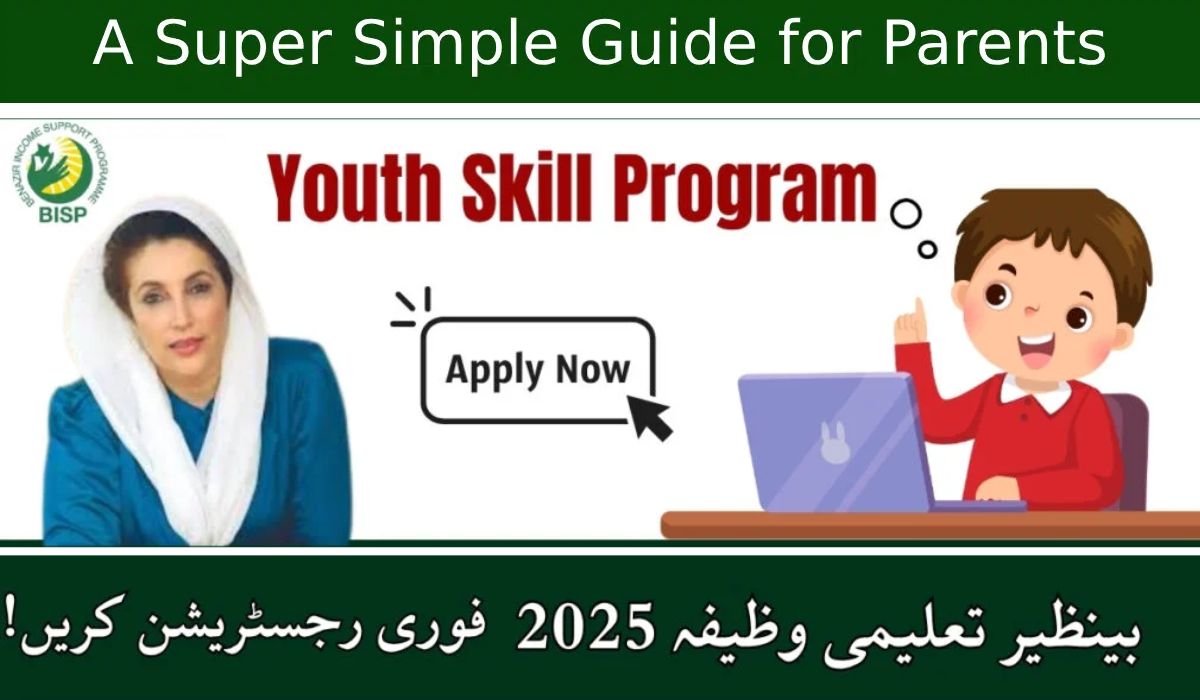
The Benazir Income Support Programme (BISP) continues to play a vital role in empowering low-income families in Pakistan. In 2025, its focus on improving school attendance for girls is creating a wave of positive change across the country—especially in underserved and rural areas.
In this guide, we explore how BISP supports girls’ education, what’s working in 2025, and how families, schools, and communities can make the most of it.
📘 What Is BISP and How Does It Support Girls’ Education?
The Benazir Income Support Programme is Pakistan’s largest social protection initiative, providing financial aid to millions of low-income families. Its goal? To reduce poverty and improve access to basic needs—like food, healthcare, and education.
🎓 BISP’s Waseela-e-Taleem Program
A key component is the Waseela-e-Taleem (WeT) initiative, which gives additional cash incentives to families whose children—especially girls—attend school regularly.
-
💸 Families receive conditional cash transfers (CCTs) based on attendance.
-
🎒 The funds help cover books, uniforms, school supplies, and transport.
-
👧 Focused on keeping girls in school, especially in rural and remote areas.
👧 Why BISP Prioritizes Girls’ School Attendance
Girls in Pakistan often face extra challenges in accessing education:
-
Household chores and caregiving responsibilities
-
Financial barriers (books, transport, uniforms)
-
Cultural beliefs discouraging girls from studying
-
Lack of nearby schools or safe transport options
By offering financial incentives, BISP helps families prioritize girls’ education and overcome these hurdles.
📊 BISP 2025 Updates: What’s New This Year?
The government has upgraded BISP with several improvements in 2025:
| Feature | What’s New |
|---|---|
| Increased Stipends | Families now receive up to Rs. 14,500 per quarter for each school-going child. |
| Digital Payment System | Funds are disbursed via secure apps, mobile banking, or local agents. |
| Expanded Reach | More rural areas are now covered, with mobile registration vans deployed. |
| After-School Support | Some areas offer free tutoring, girls’ clubs, and life skills sessions. |
These changes ensure that more girls have the resources and motivation to stay in school.
💡 How BISP Helps Girls Stay in School: Real Impact
BISP isn’t just about cash—it’s about transforming lives. Here’s how the program makes a difference:
✅ Attendance-Based Incentives
Families receive money only if their children attend school regularly—encouraging consistent enrollment.
✅ Reduced Financial Pressure
BISP payments help cover:
-
School supplies and uniforms
-
Transport to and from school
-
Extra tutoring or learning materials
✅ Empowering Mothers
Funds are disbursed to female heads of households, encouraging women to lead educational decisions.
🎯 Key Benefits of BISP for Girls’ Education
-
Improved School Performance: Regular attendance leads to better grades.
-
Career Aspirations: Girls can dream big—doctors, teachers, engineers!
-
Reduced Child Labor: Financial help reduces pressure to leave school for work.
-
Community Development: Educated girls uplift families and future generations.
🚫 Common Mistakes to Avoid with BISP
To ensure your family receives full benefits, avoid these issues:
-
Missing Registration Deadlines: Always keep your NSER data updated with BISP.
-
Unverified Attendance Records: Ensure your child’s school is correctly tracking attendance.
-
Misuse of Funds: Use BISP stipends strictly for educational needs.
-
Ignoring Notifications: Read all 8171 SMS alerts carefully and respond promptly.
📋 Step-by-Step: How Families Can Use BISP to Support Girls’ Education
Follow these steps to benefit from the Benazir Taleemi Wazaif program:
1️⃣ Register Your Family
-
Visit the nearest BISP Tehsil office
-
Complete the NSER survey
-
Verify your CNIC and household details
2️⃣ Enroll Daughters in School
-
Choose a nearby primary or secondary school
-
Ensure regular attendance for eligibility
3️⃣ Monitor Attendance
-
Keep track of school attendance
-
Encourage your daughters to attend every day
4️⃣ Receive and Use Funds Wisely
-
Use the payment to purchase:
-
Stationery
-
Uniforms
-
School bags or bus fare
-
5️⃣ Stay Updated
-
Send your CNIC to 8171 to check payment status
-
Use the 8171 Web Portal to monitor eligibility
📚 Real-Life Stories of Girls Benefiting from BISP
👧 Ayesha – Balochistan
Ayesha, 12, couldn’t attend school due to lack of supplies. BISP funds helped her family buy a uniform, and now she’s the top student in her science class.
👧 Sana – Gilgit-Baltistan
Sana’s school was 5 km away. Her family used BISP payments to buy a bicycle. Now she attends every day and dreams of becoming a teacher.
👧 Maria – Sindh
Maria struggled with reading. Through a BISP-funded tutoring program, she gained confidence and is now leading class presentations.
🏫 Tips for Schools to Improve Girls’ Attendance via BISP
-
Track and report attendance accurately
-
Create safe, welcoming spaces for girls
-
Engage parents in regular meetings about BISP
-
Offer support classes or activities like sports and arts
🏘️ Community Involvement: Making BISP Work Better
Local communities can help improve girls’ school attendance by:
-
Spreading awareness of BISP benefits
-
Organizing safe group travel to schools
-
Hosting events to celebrate girls’ academic achievements
-
Challenging cultural myths about girls and education
🚀 What’s Next for BISP and Girls’ Education in Pakistan?
Looking ahead, BISP is planning to introduce:
-
Scholarships for Higher Education (for college-going girls)
-
Digital Learning Tools for remote learning access
-
Life Skills and Vocational Training
-
Expanded Mobile Registration Units to reach remote villages
These additions aim to make BISP not just a cash program—but a full support system for girls’ success.
🧠 FAQs: BISP and School Attendance for Girls in 2025
Q: What is BISP’s Waseela-e-Taleem program?
A: It’s an initiative under BISP that gives cash support to families whose children regularly attend school.
Q: Who is eligible for BISP?
A: Low-income families registered through the NSER system. Eligibility is based on a PMT (Poverty Means Test) score.
Q: How much is the payment in 2025?
A: Families receive Rs. 14,500 per quarter per eligible school-going child.
Q: Can rural families apply?
A: Yes. BISP has expanded access in remote areas and now operates mobile vans for easier registration.
Q: How can I check my payment status?
A: Send your CNIC to 8171 or visit 8171.bisp.gov.pk.
✅ Final Thoughts: BISP Is a Game Changer for Girls’ Education
The Benazir Taleemi Wazaif program is more than a government initiative—it’s a powerful force helping thousands of girls stay in school, unlock their potential, and build brighter futures.
If you’re a parent, teacher, or community member, your role matters too. Share information, encourage enrollment, and support girls as they learn and grow.